
ABOUT
Australia is facing a pivotal moment in its cultural and democratic life. The conditions that allow the creative arts to question power, offer dissent and open a space for nuanced discussion are under growing pressure. Across the nation, artists, writers and cultural organisations face politicised backlash, loss of funding, donor sensitivity, and heightened scrutiny about whether their work aligns with (presumed) majority opinion. Recent controversies include the withdrawal and reinstatement of Australia’s representative to the Venice Biennale, cancelled performances and prizes, and literature festivals not proceeding, losing grant money and sponsorship. These events have made these significant pressures visible. They signal a narrowing of public debate to which artistic expressions of all kinds contribute.
At the same time, universities are reporting marked declines in creative arts and humanities enrolments. This raises concerns about the long‑term sustainability of the cultural sector. This contraction sits alongside the erosion of public funding and the rise of risk‑averse governments, funders and boards, and globalised digital platforms that disrupt local business models. In this environment fewer people can build or maintain creative careers. These trends converge on a key question for Australian democracy: what happens to our public life when the conditions that support diverse artistic and literary expression erode, and the capacity for dissent, critique and imaginative renewal is diminished?
This discussion brings together Julianne Schultz, André Dao and Ben Eltham, three of Australia’s most incisive cultural thinkers. Schultz examines how cultural expression shapes public trust, social cohesion and democratic confidence; Dao brings a perspective shaped by his award‑winning fiction and cultural criticism; and Eltham tracks the political and economic forces currently impacting the arts sector. Together, they consider what reforms are needed to protect artistic freedom as a public good in a changed and challenged democratic landscape.
PANELISTS

Julianne Schultz is Professor Emerita of Media and Culture at Griffith University’s Centre for Social and Cultural Research. Her acclaimed book, The Idea of Australia: A Search for the Soul of the Nation was published by Allen and Unwin in 2022, with an updated edition released in 2025. She worked with Blackfella Films as executive producer to adapt the book into a four-part television series for SBS. She writes a fortnightly column for The Guardian and is a member of the board of the Sydney Writers’ Festival. She is the founding editor of Griffith Review, and served as chair of the reference group for the National Cultural Policy, Creative Australia, 2013, chair of the Australian Film TV and Radio School, The Conversation, and the Qld Design Council, and as a member of the boards of the ABC, Grattan Institute and Copyright Agency.
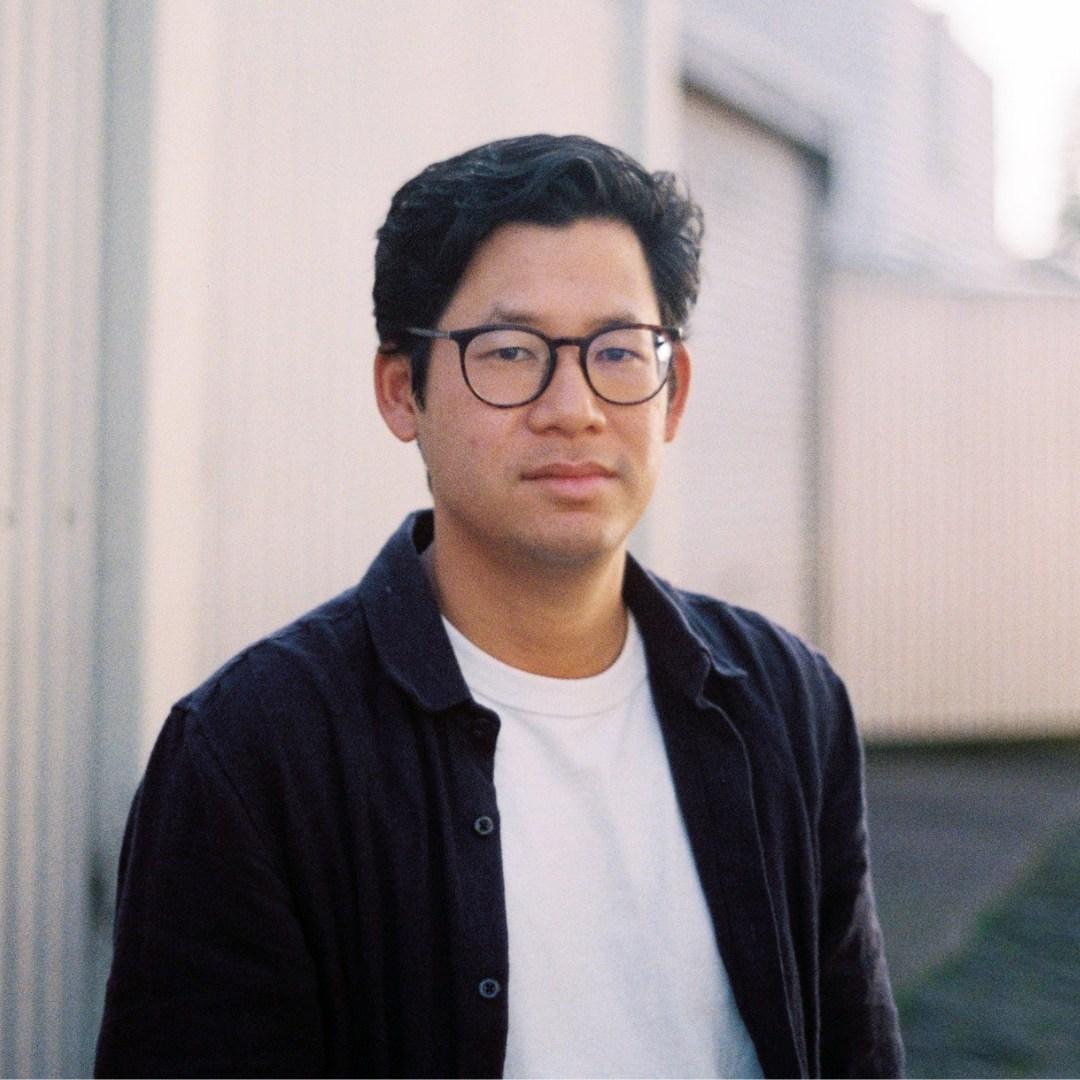
André Dao is an author and researcher from Naarm/Melbourne, Australia. His debut novel, Anam, won the Prime Minister’s Literary Award for Fiction, the NSW Premier’s Literary Award for New Writing, and was shortlisted for the Miles Franklin Literary Award and the Voss Literary Award. In 2024, he was named a Sydney Morning Herald Best Young Australian Novelist. André was awarded the 2024 Pascall Prize for Cultural Criticism for essays published in The Saturday Paper, Meanjin and Liminal. He is the co-founder of Behind the Wire, the award-winning oral history project documenting the stories of the adults and children who have been detained by the Australian government after seeking asylum in Australia. His work for Behind the Wire includes a Quill award winning article for The Saturday Paper, and the Walkley Award-winning podcast, The Messenger. He co-edited Behind the Wire’s collection of literary oral histories They Cannot Take the Sky.
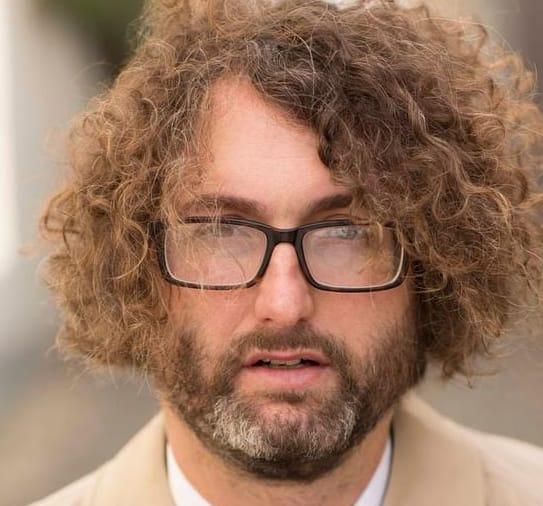
Ben Eltham is a writer, journalist, researcher and lecturer at Monash University’s School of Media, Film and Journalism, where he teaches in the Master of Cultural and Creative Industries program. He holds a PhD in cultural policy from Western Sydney University and studied neuroscience and philosophy at the University of Queensland. He has worked as a freelance arts journalist, critic, producer and festival director across Newcastle, Brisbane and Melbourne, and has served as national affairs correspondent for New Matilda. He writes regularly for Meanjin, Sydney Review of Books, Overland, Crikey and Guardian Australia. He is a Fellow of the Centre for Policy Development and has worked as a cultural policy consultant to federal, state and local governments, including the federal Department of Industry, Creative Victoria and the National Association for the Visual Arts. His monograph, When the Goal Posts Move: Patronage, Power and Resistance in Australian Cultural Policy 2013–2016, was published by Currency House in 2016.
HOSTED BY NATASHA MITCHELL
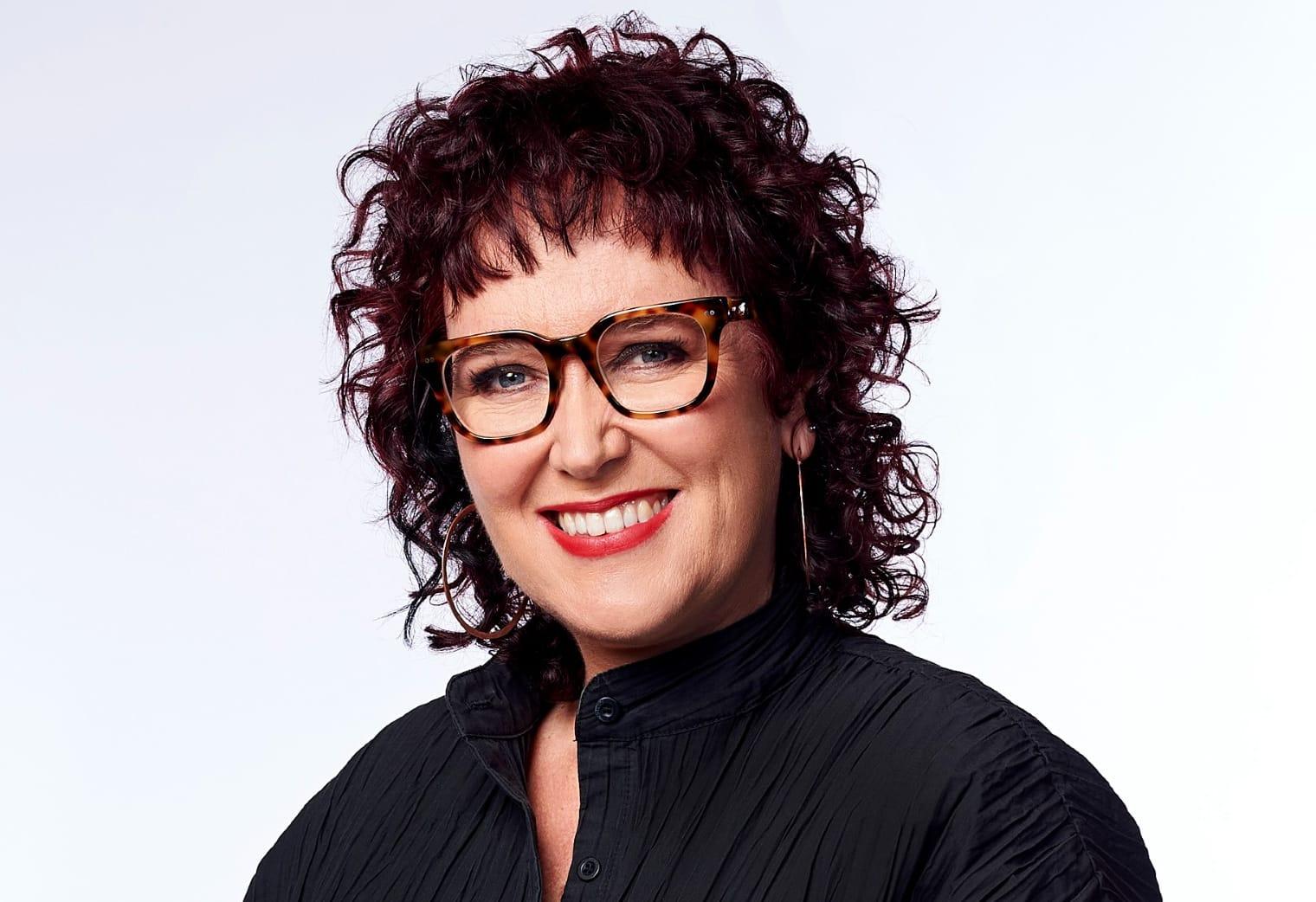
Natasha Mitchell is a multi-award-winning journalist and presenter of ABC Radio National's flagship BIG IDEAS, hosted its popular daily Life Matters, was founding host and creator of the blockbuster radio show and trailblazing podcast All in the Mind for a decade - and also of Science Friction. Natasha served as World Federation of Science Journalists’ vice president, was awarded a prestigious MIT Knight Fellowship, and won Grand Prize and four Gold World Medals at the New York Radio Festivals.
EVENT DETAILS
WHEN
Friday 24 July 2026
5:30 pm - 7:00 pm
WHERE
QCAD Lecture Theatre, S05_2.04, Southbank campus
Grey Street, South Brisbane, 4101
Griffith University